Please fill out the form below to request a quote or to request more information about us. please be as detailed as possible in your message, and we will get back to you as soon as possible with a response. we're ready to start working on your new project, contact us now to get started.
Exploring the Working Principle of Sunscreen Tubes for Optimal Protection
2026-08-30
JIIHO
31
Sunscreen tubes have become an indispensable part of our daily skincare routine, offering essential protection against the harmful ultraviolet (UV) rays of the sun. These tubes not only ensure we can apply sunscreen conveniently but also play a critical role in safeguarding our skin from sun damage and related conditions. Understanding the working principle behind these tubes can help us make informed choices and ensure we get the maximum protection possible.
Introduction to Sunscreen Tubes
Sunscreen tubes are designed to provide a consistent and easy-to-use application of the sun protection factor (SPF) while ensuring it remains stable throughout its shelf life. They are typically made of lightweight, durable materials that allow for easy application and portability. Understanding the importance of these tubes in our daily skincare routine underscores the need to explore their working principles in detail.
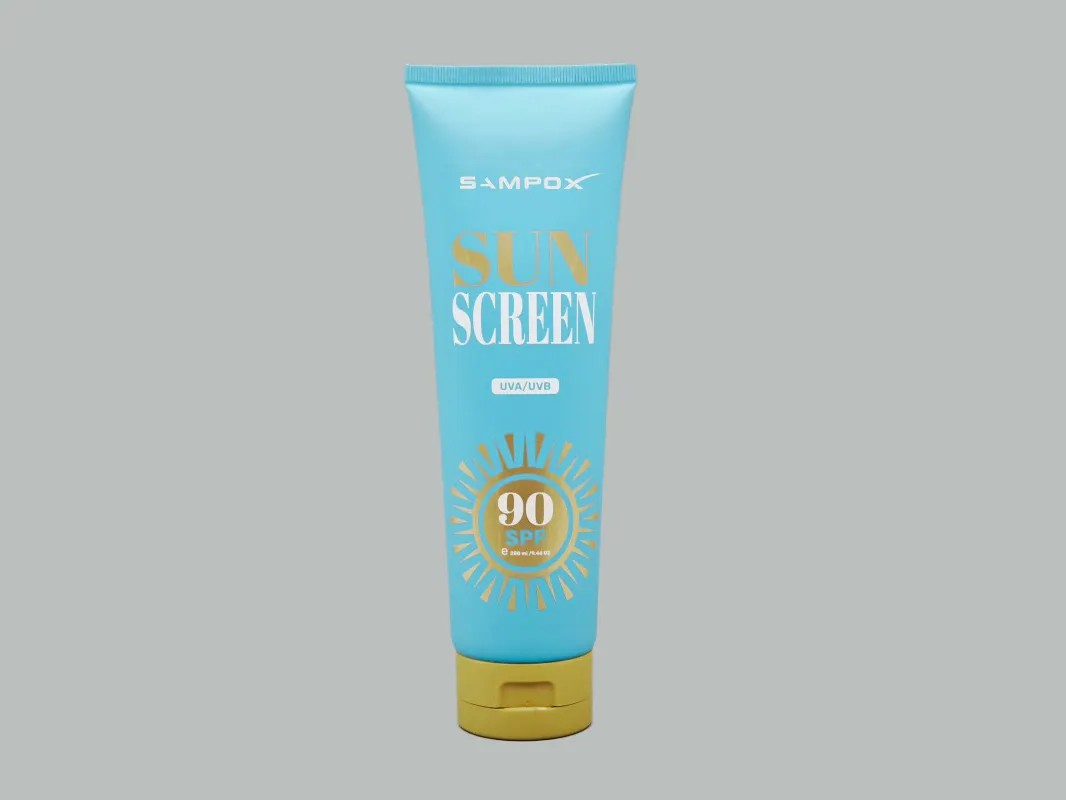
Understanding the Ingredients in Sunscreen Tubes
Sunscreen tubes contain a variety of ingredients, each serving a specific purpose. Key active ingredients such as zinc oxide, titanium dioxide, and avobenzone work together to block or absorb harmful UV rays. Zinc oxide and titanium dioxide, known as mineral or physical sunscreens, form a physical barrier on the skin, reflecting UV rays. On the other hand, avobenzone and other chemical sunscreens absorb UV rays and convert them into heat, which is then released from the skin.
Other important ingredients in sunscreen tubes include stabilizers and moisturizers. Stabilizers help protect the active ingredients from degradation, ensuring that the sunscreen remains effective even under extreme conditions. Moisturizers, such as ceramides and hyaluronic acid, help to hydrate the skin, making it less susceptible to damage from the sun.
The Role of Physical Versus Chemical Sunscreens
Physical sunscreens, like those containing zinc oxide and titanium dioxide, create a protective layer on the skin that reflects UV rays. They are effective against both UVA and UVB rays and generally have a longer-lasting protection. However, they can sometimes leave a white cast on the skin, which might be unsightly for some users.
Chemical sunscreens, such as avobenzone, octinoxate, and oxybenzone, work by absorbing UV rays and converting them into heat, which is then dissipated from the skin. These sunscreens are typically more transparent and easier to apply but may be less effective against UVA rays and can cause skin irritation in some individuals.
The Application Process of Sunscreen Tubes
Proper application is critical to maximizing the effectiveness of sunscreen. Here are the key steps to ensure you apply sunscreen correctly:
1. Clean and Dry Skin: Cleanse your skin and allow it to dry before applying sunscreen.
2. Generously Apply: Use enough sunscreen to cover all exposed areas of your skin. A full shot glass of sunscreen is needed to cover the face and neck, and two shot glasses for the rest of the body.
3. Even Distribution: Apply the sunscreen evenly, paying special attention to areas that are often missed, such as the ears, the back of the neck, and hands.
4. Reapply Frequently: Reapply every two hours, or more frequently if you are swimming or sweating.
Factors Affecting the Efficacy of Sunscreen Tubes
Several factors can impact the effectiveness of sunscreen tubes:
- Time of Day: The sun's UV rays are strongest between 10 AM and 4 PM, so it's crucial to apply sunscreen during this time.
- Environmental Conditions: High altitudes, reflective surfaces (like sand and water), and pollution can all increase the intensity of UV rays.
- Skin Type: Different skin types react differently to sun exposure. Fair-skinned individuals may require higher SPF values and more frequent reapplication.
Testing and Certification of Sunscreen Tubes
To ensure the efficacy and safety of sunscreen tubes, various tests and certifications are conducted:
- SPF Testing: This involves measuring the amount of UV radiation that reaches the skin after application of the sunscreen.
- Broad-Spectrum Protection: Sunscreens are tested for their ability to protect against both UVA and UVB rays.
- Stability Tests: These tests ensure that the active ingredients remain effective over time.
Choosing products that are certified by reputable organizations, such as the Environmental Working Group (EWG), can provide peace of mind and ensure reliable protection.
Common Misconceptions about Sunscreen Tubes
There are several misconceptions surrounding the use of sunscreen tubes that can lead to improper application or reduced protection:
- Colorful Sunscreens Are More Effective: Some sunscreens come in colorful tubes, but the color does not indicate effectiveness. Only the active ingredients determine the level of protection.
- Sunscreens Can Last All Day: While some sunscreens do offer extended coverage, reapplication is still necessary for optimal protection.
- Dark Skin Does Not Need Sunscreen: People with darker skin tones are still at risk of sun damage and should use sunscreen regularly.
Best Practices for Sunscreen Tube Usage
To get the most out of your sunscreen tubes, follow these best practices:
- Choose the Right SPF: Select an SPF that is appropriate for your skin type and activity level.
- Regular Application: Apply sunscreen at least 15 minutes before sun exposure and reapply every two hours, or more frequently if you are swimming or sweating.
- Even Coverage: Ensure that you cover all exposed areas of your skin, including often-overlooked areas like the ears, neck, and hands.
Case Study: Effectiveness of Proper Sunscreen Application
A hypothetical case study illustrates the effectiveness of using sunscreen tubes correctly. Imagine two individuals: Sarah, who consistently applies sunscreen as directed, and Mark, who only applies it occasionally and fails to reapply. Over time, Sarahs skin remains protected and healthy, while Marks skin shows signs of sun damage, including sunspots and premature aging.
Future Trends in Sunscreen Tube Technology
Emerging technologies are continually enhancing the effectiveness and user experience of sunscreen tubes:
- Intelligent Sunscreens: These use sensors to detect UV radiation and automatically release sunscreen when UV levels are high.
- Hydrogel Formulations: These provide long-lasting hydration and protection, making them ideal for extended outdoor activities.
- Wearable Technology Integration: Smartwatches and other wearables can notify users when it's time to reapply sunscreen.
In conclusion, understanding the working principle of sunscreen tubes is essential for achieving optimal protection against the harmful effects of the sun. By choosing the right ingredients, applying sunscreen correctly, and staying informed about the latest advancements, you can enjoy the outdoors with peace of mind, knowing that your skin is well-protected.
Table of Contents
GET IN TOUCH WITH Us
Formulating a premium sunscreen? Jiiho reveals the factory truth behind using high-gloss ABL oval tubes with precision nozzle tips for formula stability.
Developing a sunscreen? Don't risk product failure with standard PE tubes. Jiiho explains why Aluminum Barrier Laminate (ABL) is critical for protecting aggressive SPF formulas from oxidation and chemical attack.
Packaging sunscreen is notoriously difficult. Jiiho reveals the top 3 pitfalls—chemical swelling, UV degradation, and oil leaks—and how to engineer the perfect SPF tube.
Our Australian client recently hosted a pop-up event in a major shopping centre to highlight their new skincare line packaged in our premium tubes. This time-lapse video takes you through every step—from erecting the branded display stand to unveiling filled cosmetic squeeze tubes on shelves. See how our tubes make custom sunscreen tube and custom lotion tube products look professional, perform flawlessly, and engage shoppers at first glance.
Sticker labeling (pressure-sensitive labels) lets beauty brands launch and test new products without hefty minimum orders. From cosmetic squeeze tubes to custom sunscreen tube runs and even tiny batches of mini lip balm tubes, you get full-color, professional graphics on any tube material. This method reduces tooling costs, speeds up lead times, and supports eco-friendly upgrades—perfect for brands that need flexibility, quick turnarounds, and low-risk inventory.