Please fill out the form below to request a quote or to request more information about us. please be as detailed as possible in your message, and we will get back to you as soon as possible with a response. we're ready to start working on your new project, contact us now to get started.
How Eco-Friendly Are Hand Cream Aluminum Tubes?
2026-08-26
JIIHO
38
Hand cream aluminum tubes have become a popular choice for skincare enthusiasts and environmental advocates alike. These sleek, portable containers offer a convenient way to keep hands moisturized and well-nourished. But are they as eco-friendly as one might think? Lets delve into the various aspects that contribute to the eco-friendlinessor lack thereofof hand cream aluminum tubes.
Exploring the Eco-Friendliness of Hand Cream Aluminum Tubes
Hand cream aluminum tubes are a common sight in the cosmetic industry. Theyre lightweight, compact, and protect the delicate contents from air, light, and moisture. However, the environmental impact of these tubes has garnered increasing attention. To understand their true eco-friendliness, lets examine several key areas.
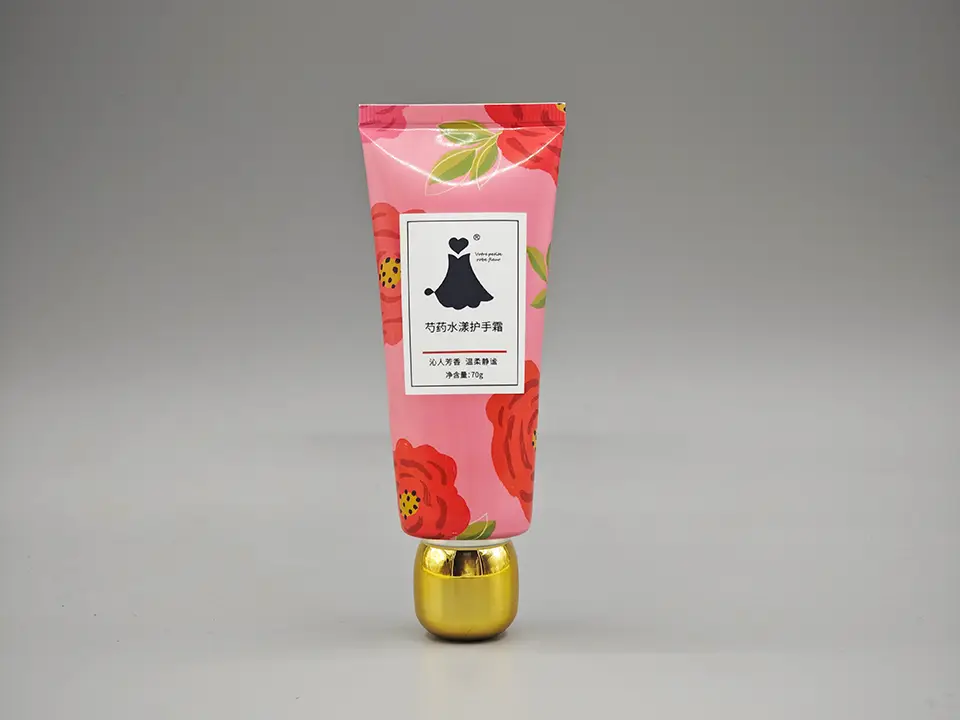
Material Analysis: Examining the Material Composition of Hand Cream Aluminum Tubes
Aluminum tubes are primarily made of aluminum, a highly recyclable and reusable material. Unlike single-use plastics, aluminum can be infinitely recycled without losing quality. This makes it a more sustainable choice compared to many other materials.
Biodegradability and Recyclability:
- Aluminum: Aluminum is 100% recyclable and can be used infinitely without losing quality. Recycling aluminum requires only 5% of the energy needed to produce new aluminum, making it a highly sustainable material.
- Disposal: Proper disposal is crucial. Recycling facilities need to be available and accessible for consumers to recycle their empty aluminum tubes.
Material Breakdown:
- Aluminum Caps: Caps are also made of aluminum and can be recycled along with the tube.
- Lacquers and Coatings: The other components of the tube, such as lacquers and coatings, must be biodegradable or recyclable to ensure the overall sustainability of the product.
Production Process: Analyzing the Manufacturing Process of Hand Cream Aluminum Tubes
The production process of hand cream aluminum tubes involves several steps, each with its own environmental impact. Lets take a closer look at these factors.
Energy Consumption and Carbon Emissions:
- Production Process: The production of aluminum involves significant energy consumption. However, modern aluminum production facilities are increasingly using renewable energy sources to reduce their carbon footprint.
- Sustainable Practices: Many manufacturers are adopting sustainable practices such as energy-efficient machinery, water conservation, and waste reduction to minimize their environmental impact.
Industry Standards:
- Certifications: Some manufacturers have received certification for their sustainable practices. For example, companies might be part of the Aluminum Stewardship Initiative (ASI) or have achieved LEED certification.
Packaging Waste: Assessing the Impact of Packaging Waste from Hand Cream Aluminum Tubes
Packaging waste is a significant environmental issue. While aluminum tubes are recyclable, the waste generation and disposal methods need careful management.
Waste Generation:
- Manufacturing Waste: The manufacturing process generates waste, including trimmings and defective tubes. Proper waste management practices are essential to minimize this waste.
- Recycling Programs: Manufacturers should promote recycling programs and ensure that consumers have access to recycling facilities.
Disposal Methods:
- Recycling: Recycling aluminum reduces the need for new raw materials. Recycling facilities should be readily available for consumers to recycle their empty tubes.
- E-Waste: Improper disposal of aluminum tubes can contribute to e-waste, which can be harmful if not managed properly. Consumers should be encouraged to recycle these tubes responsibly.
Consumer Usage and Disposal: Understanding Consumer Habits and Their Impact
Consumer habits play a crucial role in the lifecycle of hand cream aluminum tubes.
Usage Patterns and Frequency:
- Usage: Regular usage of hand cream tubes means more waste, but these tubes are designed to be long-lasting if cared for properly.
- Proper Disposal Methods: Consumers should be educated on proper disposal methods, such as rinsing the tube before recycling, and using recycling facilities.
Recycling Tips:
- Rinsing: Rinse the tube before recycling to ensure that it is clean and free of product residue.
- Recycling Facilities: Use recycling facilities that accept aluminum to ensure proper disposal.
Comparative Analysis: Comparing Hand Cream Aluminum Tubes to Other Packaging Types
When comparing hand cream aluminum tubes to other packaging types, the environmental impact varies significantly.
Plastic vs. Aluminum:
- Plastic: Single-use plastics are one of the major contributors to plastic waste. While not all plastic hand cream tubes are recyclable, those that are biodegradable offer a cleaner alternative. However, they still pose a significant environmental risk due to their non-biodegradable nature.
- Glass: Glass is also recyclable but is heavier and more breakable, leading to higher transportation emissions. Glass tubes may be more challenging to clean and maintain.
Glass vs. Metal:
- Glass: Glass is not as lightweight as aluminum and requires more energy to produce. However, glass is still a viable option for eco-conscious consumers.
- Medical-grade Aluminum: Some aluminum tubes are medical-grade, making them more durable and resistant to corrosion. This durability can reduce the frequency of replacements and waste generation.
Industry Standards and Regulations: Reviewing Industry Practices and Environmental Regulations
The cosmetics industry is subject to various environmental standards and regulations.
Compliance with Environmental Standards:
- Regulations: Many countries have regulations in place to encourage sustainable practices, such as requiring companies to report their environmental impact and set targets for reduction.
- Industry Initiatives: Companies are increasingly adopting sustainability initiatives, such as using recycled aluminum, reducing packaging size, and promoting recycling programs.
Certifications and Initiatives:
- ASI Certification: For example, companies like XYZ Corp have received the Aluminum Stewardship Initiative (ASI) certification, which recognizes their commitment to sustainable practices.
Consumer Awareness and Education: Highlighting the Role of Consumer Education in Promoting Sustainability
Consumer education is essential in promoting eco-friendly practices.
Awareness Campaigns:
- Retailers and Manufacturers: Retailers and manufacturers can conduct awareness campaigns to educate consumers about the proper use and disposal of hand cream aluminum tubes.
- Education Programs: These programs can provide consumers with tips on how to properly care for and recycle their hand cream tubes.
Recycling Programs:
- Promotion: Retailers can promote eco-friendly options and provide information on recycling programs to help consumers make informed choices.
Future Trends and Innovations: Exploring Innovations and Trends in Eco-Friendly Packaging
As technology advances, new innovations are emerging to make packaging more sustainable.
Bioplastics and Plant-Based Materials:
- Bioplastics: Bioplastics are made from renewable resources and have a lower carbon footprint than traditional plastics. However, their widespread adoption is still limited.
- Plant-Based Materials: Plant-based materials, such as bamboo and cornstarch, offer a more sustainable alternative to traditional packaging materials.
Innovative Production Methods:
- Sustainable Production: Advances in sustainable production methods, such as using renewable energy sources and eco-friendly manufacturing processes, can significantly reduce the environmental impact of hand cream tubes.
- Technology: Innovations in recycling and waste management technologies can further improve the sustainability of hand cream aluminum tubes.
The Holistic View of Hand Cream Aluminum Tubes Eco-Friendliness
In conclusion, hand cream aluminum tubes are a relatively eco-friendly packaging solution compared to many other options. While the manufacturing process involves some environmental impact, the recyclability and reusability of aluminum make it a sustainable choice. However, the overall eco-friendliness depends on how well consumers manage the lifecycle of these tubes and their disposal.
Summary of Key Findings:
- Material Recyclability: Aluminum is 100% recyclable and can be used infinitely without losing quality.
- Energy Efficiency: Modern aluminum production facilities use renewable energy sources to reduce their carbon footprint.
- Consumer Education: Education on proper disposal and recycling methods is crucial for sustainability.
- Manufacturers: Continue to adopt sustainable practices and promote recycling programs.
- Consumers: Educate yourselves on proper disposal methods and participate in recycling programs.
- Retailers: Promote eco-friendly options and provide information on recycling initiatives.
By working together, we can ensure that hand cream aluminum tubes continue to offer a convenient and sustainable solution for moisturizing on the go.
Table of Contents
GET IN TOUCH WITH Us