Please fill out the form below to request a quote or to request more information about us. please be as detailed as possible in your message, and we will get back to you as soon as possible with a response. we're ready to start working on your new project, contact us now to get started.
Optimal Food Grade Packaging Tube for Durability and Safety
2026-09-11
JIIHO
33
Food grade packaging tubes are essential components in the food industry, ensuring both the durability and safety of products. These tubes play a crucial role in protecting perishable goods from contaminants, maintaining their quality, and extending their shelf life. In this article, we will explore the key considerations and innovations in the design and manufacturing of food grade packaging tubes, highlighting their importance in delivering a safe and sustainable product.
Introduction to Food Grade Packaging Tubes
Food grade packaging tubes are specialized containers designed to meet stringent safety and hygiene standards. These tubes are made from materials that are non-toxic, non-porous, and resistant to moisture and chemical contamination. They are used in a wide range of food products, from beverages and snacks to frozen foods and personal care items.
Key characteristics of food grade packaging tubes include:
- Durability: The ability to protect the contents from physical damage and environmental factors.
- Safety: Compliance with regulatory standards and the absence of harmful substances.
- Compliance with Regulations: Adherence to guidelines set by organizations like the FDA, ensuring that the packaging does not pose any health risks.
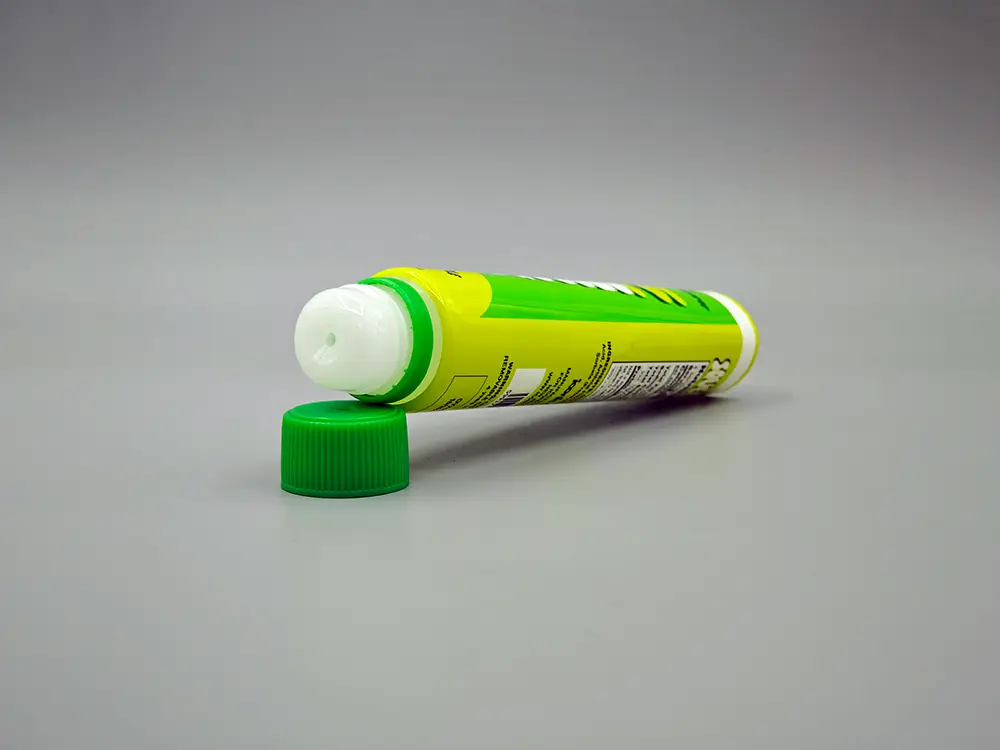
Understanding the Materials Used in Food Grade Packaging Tubes
The choice of material is critical in determining the performance and safety of food grade packaging tubes. Common materials include polyethylene terephthalate (PET), polyvinyl chloride (PVC), and polypropylene (PP).
- Polyethylene Terephthalate (PET):
- Advantages: Lightweight, strong, and impermeable to gases and moisture.
- Disadvantages: Can be brittle and prone to cracking under certain conditions.
- Polyvinyl Chloride (PVC):
- Advantages: Economical and flexible.
- Disadvantages: Contains phthalates, which are potentially harmful, and is not biodegradable.
- Polypropylene (PP):
- Advantages: Highly durable, resistant to chemicals, and widely used in food packaging.
- Disadvantages: Less rigid than PET, which can lead to reduced durability.
Design Considerations for Optimal Durability
The durability of food grade packaging tubes is influenced by several design factors:
- Thickness and Wall Structure: Thicker walls provide better protection against physical damage, while a well-designed wall structure ensures optimal strength.
- Surface Treatment and Coating: Protective coatings can enhance resistance to moisture, chemicals, and mechanical stress, extending the lifespan of the packaging.
Ensuring Safety in Food Grade Packaging Tubes
Safety is paramount in food grade packaging tubes. Compliance with relevant regulations is critical:
- Key Safety Regulations: Packaging must comply with standards set by the FDA, including the ban on Bisphenol A (BPA) and other harmful substances.
- Barrier Properties: High barrier properties are essential to prevent contamination and maintain product integrity, ensuring that the food remains fresh and safe for consumption.
Case Study: Comparative Analysis of Different Design Approaches
Let's consider a hypothetical case study comparing a traditional design with an innovative design:
- Traditional Design:
- Materials: PET and PVC
- Thickness: Average
- Barrier Properties: Good
- Cost: Lower
- Efficiency: Moderate
- User Satisfaction: Lower
- Innovative Design:
- Materials: PET and advanced barrier coatings
- Thickness: Increased
- Barrier Properties: Excellent
- Cost: Higher
- Efficiency: Higher
- User Satisfaction: Higher
The innovative design offers superior protection and safety while maintaining a high level of user satisfaction.
Challenges and Solutions in Manufacturing Food Grade Packaging Tubes
Manufacturing food grade packaging tubes presents several challenges:
- Processing: Ensuring consistent quality and adherence to strict standards.
- Quality Control: Implementing rigorous testing and inspection protocols.
Innovative solutions, such as advanced manufacturing techniques and quality assurance processes, can help overcome these challenges:
- Advanced Manufacturing: Use of automated systems for precise and consistent production.
- Quality Assurance: Implementation of ISO standards and third-party audits to ensure compliance.
Future Trends in Food Grade Packaging Tubes
Emerging technologies are revolutionizing the food grade packaging industry:
- Biodegradable Materials: Sustainable alternatives to traditional plastics, reducing environmental impact.
- Intelligent Packaging: Incorporating sensors and tracking systems to monitor product quality and freshness.
These trends are likely to drive innovations in design and manufacturing, making food grade packaging tubes more sustainable and effective.
Conclusion
In conclusion, the selection of the right food grade packaging tube is crucial for ensuring durability and safety. By understanding the materials, design considerations, safety regulations, and emerging trends, manufacturers can create packaging solutions that meet the highest standards of quality and safety.
Choosing the optimal food grade packaging tube ensures that the product remains protected and safe for consumption, thereby building trust with consumers and maintaining brand reputation.
Table of Contents
GET IN TOUCH WITH Us