Please fill out the form below to request a quote or to request more information about us. please be as detailed as possible in your message, and we will get back to you as soon as possible with a response. we're ready to start working on your new project, contact us now to get started.
Optimal Types of Toothpaste Tubes for Eco-Friendliness
2026-09-02
JIIHO
11
In the ongoing quest for a more sustainable future, every small step we take matters. From reducing our plastic waste to choosing eco-friendly products, our daily choices have a significant impact on the environment. One area that often goes overlooked is the humble toothpaste tube. While traditional plastic tubes may have dominated the market for decades, there is a growing demand for eco-friendly alternatives. In this article, well explore the optimal types of toothpaste tubes that can help reduce our environmental impact and promote sustainability.
Why Eco-Friendliness Matters in Toothpaste Tubes
To understand the importance of eco-friendly toothpaste tubes, we must first acknowledge the environmental impact of traditional plastic tubes. These tubes are typically made from polypropylene (PP) or polyethylene terephthalate (PET), both of which are non-biodegradable and contribute significantly to plastic waste. When these tubes end up in landfills, they can take hundreds of years to decompose, releasing harmful chemicals into the soil and groundwater.
The good news is that we now have more sustainable options available. By choosing eco-friendly toothpaste tubes, we can reduce our carbon footprint and contribute to a healthier planet. This article will guide you through the key features, comparative analysis, and future trends in eco-friendly toothpaste tubes.
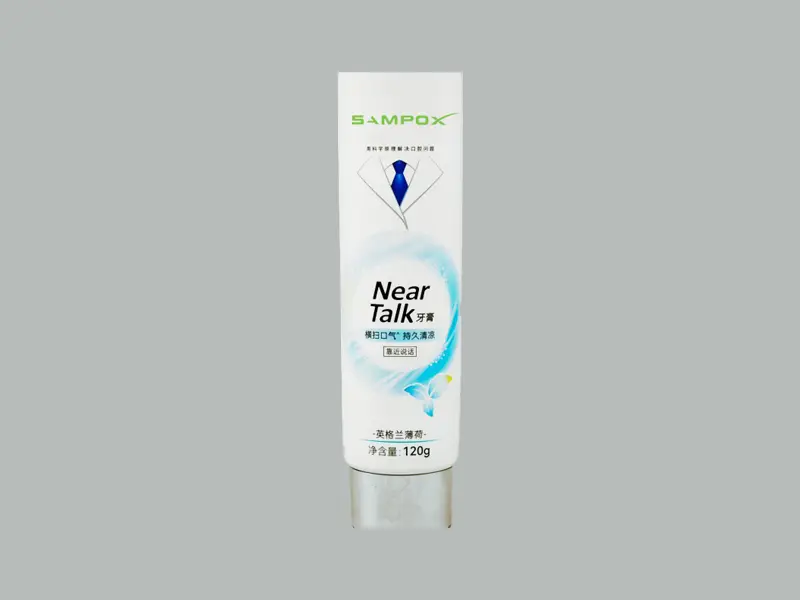
What Makes a Toothpaste Tube Eco-Friendly?
Eco-friendly toothpaste tubes are designed with sustainability in mind. These tubes are typically made from materials that are either biodegradable or recyclable, or both. Bioplastics, made from substances like corn starch or sugarcane, are a popular choice due to their ability to break down naturally over time. Recyclable materials include metals and some forms of paper, which can be reused in various industrial processes.
Another important feature of eco-friendly toothpaste tubes is their design. Tubes that are simpler in structure and use fewer materials are generally more sustainable. Additionally, some eco-friendly tubes come with reusable or refillable components, further reducing waste.
Comparative Analysis: Biodegradable vs. Recyclable Toothpaste Tubes
When it comes to eco-friendly toothpaste tubes, the choice between biodegradable and recyclable options can be a matter of environmental benefits and practicality. Biodegradable tubes are a popular choice because they can break down naturally in a composting environment, reducing the amount of plastic waste. However, they require specific conditions to decompose, such as industrial composting facilities or the presence of certain microorganisms.
Recyclable toothpaste tubes, on the other hand, can be processed in standard recycling facilities and turned into new products. This makes them a more accessible option for consumers. The key challenge with recyclable tubes is ensuring that they are properly cleaned and separated from other waste before being sent to recycling facilities.
Case Study: Innovative Recycling Programs for Toothpaste Tubes
Several companies are leading the way in implementing successful recycling programs for toothpaste tubes. For instance, Colgate has partnered with TerraCycle to create a recycling program that collects and processes toothpaste tubes and toothbrushes. This program accepts both biodegradable and recyclable tubes and ensures they are properly disposed of or repurposed.
Another example is the brand Smart Resize, which offers toothpaste sticks that come in a simple, recyclable paper tube instead of a traditional plastic tube. This innovative approach not only reduces waste but also encourages consumers to think differently about their dental hygiene products.
Technological Innovations in Toothpaste Tube Design
Advances in technology have led to the development of toothpaste tube designs that promote sustainability. For example, some tubes now come with easy-to-remove caps that can be disposed of separately, reducing waste. Additionally, there are trends towards tubes that are made from multi-layered materials that are easier to recycle.
One notable innovation is the use of biodegradable films that can be applied to the outside of toothpaste tubes, making them compostable. This technology provides a viable alternative to traditional plastic tubes while maintaining their functionality.
Consumer Perspective: Preferences and Considerations
Consumers play a crucial role in driving the demand for eco-friendly toothpaste tubes. Recent surveys have shown that a growing number of people are willing to pay more for sustainable products. However, they also want clear information about the environmental benefits of these products.
To make informed choices, consumers should look for products that are clearly labeled as eco-friendly and are accompanied by detailed information about their sustainability features. Additionally, supporting brands that have robust recycling programs and are transparent about their environmental practices can further drive positive change.
Future Trends in Eco-Friendly Toothpaste Tubes
Looking ahead, we can expect to see significant developments in the realm of eco-friendly toothpaste tubes. The use of advanced materials like bioplastics and innovative design techniques will likely become more widespread. Additionally, there will be an increasing focus on circular economy models, where products are designed to be reused or recycled multiple times.
One emerging technology is the development of toothpaste tablets, which eliminate the need for a tube altogether. These tablets dissolve directly in the mouth, providing an even more eco-friendly alternative. While still in the early stages, this technology has the potential to revolutionize the way we think about dental hygiene products.
Envision a Greener Future
As we strive to live more sustainably, every small step counts. Opting for eco-friendly toothpaste tubes is one such step that can have a significant impact. By understanding the key features, comparative benefits, and future trends, you can make more informed choices and contribute to a healthier planet. Start by choosing a brand that uses eco-friendly materials or supports recycling programs, and continue to support innovations that reduce waste and promote sustainability. Together, we can make a difference.
Conclusion
Opting for eco-friendly toothpaste tubes is a step towards a more sustainable future. By supporting brands that prioritize sustainability and promoting the use of eco-friendly materials, we can collectively reduce our environmental footprint. Together, we can strive towards a future where dental hygiene products are not only effective but also kind to the planet.
Table of Contents
GET IN TOUCH WITH Us
Brands love the "vintage" look of aluminum, but consumers hate the cracks. Jiiho analyzes why Full-PE Mono-material tubes are superior to Aluminum in both sustainability and durability.