Please fill out the form below to request a quote or to request more information about us. please be as detailed as possible in your message, and we will get back to you as soon as possible with a response. we're ready to start working on your new project, contact us now to get started.
Select the Perfect Squeeze Tube Packaging for Your Product
2026-09-12
JIIHO
36
Squeeze tubes, also known as squeeze bottles, are used in over 90% of personal care and food products today. This versatile container has become an indispensable part of the product packaging industry, offering benefits like hygienic application, ease of use, and stylish aesthetics. In this article, we will delve into the key factors that you need to consider when choosing the perfect squeeze tube packaging for your product, ensuring that you make an informed decision that enhances both functionality and brand appeal.
Understanding the Importance of Squeeze Tube Packaging
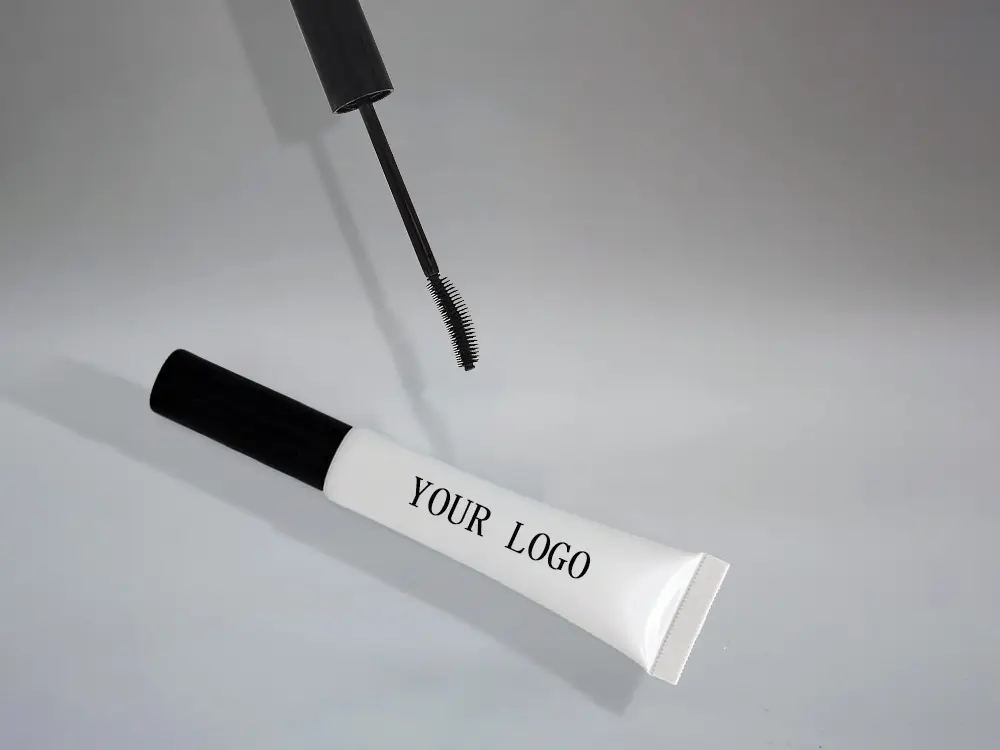
Squeeze tubes are cylindrical containers typically made from flexible materials such as plastic or metal. These containers are designed to be squeezed to dispense the contents, making them ideal for products that require a controlled application, such as skincare lotions, makeup, and food condiments. Squeeze tubes are popular because they offer hygiene, ease of use, and versatility, making them a favorite among both consumers and manufacturers.
Key Factors to Consider When Choosing Squeeze Tube Packaging
Choice of Material:
The material used in squeeze tubes significantly impacts the performance and safety of your product. Common materials include polyethylene terephthalate (PET), high-density polyethylene (HDPE), and aluminum. PET and HDPE are lightweight and flexible, providing good sealability and barrier properties. Aluminum tubes, on the other hand, offer better protection against light and oxygen, making them ideal for sensitive products.
Size and Capacity:
The size of the squeeze tube should be tailored to the product and its application. Smaller tubes are ideal for travel-sized products or single-use applications, while larger tubes are better suited for everyday use or bulk packaging. The capacity of the tube should be proportionate to the volume of the product, ensuring that the packaging is neither over- nor under-sized.
Closure Options:
Different closure methods are available, including twist caps, snap-on lids, and tubes that are attached to the container with a hinge. Twist caps provide a secure seal and easy opening, while snap-on lids offer a tight seal that is more suitable for larger containers. The choice of closure depends on the product type, frequency of use, and desired user experience.
Hygiene and Safety: Ensuring Product Integrity
Hygiene is critical in squeeze tube packaging, especially for food and cosmetic products. The container should be free from microorganisms and contaminants to ensure product integrity. Squeeze tubes with hygienic designs, such as those with tamper-evident seals, add an extra layer of safety. Barrier properties of the material help prevent exposure to light, air, and moisture, ensuring that the product remains fresh and effective for longer.
Leak-proof Seal:
A robust seal is vital for maintaining product freshness and preventing contamination. The seal should be leak-proof and tamper-resistant, providing peace of mind to consumers. Good seal integrity also extends the shelf life of the product, reducing waste and minimizing the environmental impact.
Aesthetic Appeal and Marketing Impact
Packaging design plays a pivotal role in enhancing brand identity and attracting consumer attention. The color, graphics, and texture of the squeeze tube can significantly influence consumer perception and purchase decisions. A visually appealing design can make the product stand out on shelves and in the consumers mind. Customization options allow brands to tailor the packaging to specific branding needs, ensuring consistency with their overall aesthetic and messaging.
Environmental Considerations: Sustainable Packaging Solutions
With growing consumer awareness of environmental issues, eco-friendly packaging solutions have become increasingly important. Brands can reduce their environmental footprint by choosing sustainable packaging options, which not only align with consumer values but also contribute to long-term cost savings.
Eco-friendly Materials:
Materials like bioplastics, derived from renewable resources, and recycled plastics can help reduce the environmental impact of squeeze tube packaging. Biodegradable options, such as biodegradable polyethylene (BioPE), provide another sustainable alternative that decomposes naturally over time.
Recycling and Waste Management:
Proper recycling and waste management practices are essential for sustainable packaging. Brands can encourage recycling by providing clear instructions and incentives, and by designing packaging that is easy to recycle. This not only reduces environmental waste but also helps build a positive reputation among environmentally conscious consumers.
Cost Implications: Balancing Budget and Quality
While high-quality packaging can be more expensive upfront, it often offers long-term cost savings by reducing waste and extending product life. The choice of materials and design should be balanced against budget constraints to ensure that the packaging meets both functional and cost requirements. Investing in high-quality packaging can prevent issues such as product spoilage and return rates, which can be costly in the long run.
Budget Considerations:
Analyzing the cost-effectiveness of different packaging materials and designs helps in making informed decisions. Investing in high-quality packaging can prevent problems such as product spoilage and return rates, which can be costly in the long run. Evaluating the trade-offs between cost and product longevity ensures that the packaging aligns with the brands budget and objectives.
Real-world Examples of Squeeze Tube Packaging
Real-world examples of squeeze tube packaging provide valuable insights into how different brands have successfully utilized these containers. For instance, a cosmetic brand might use squeezable tubes for its face masks, emphasizing the ease of application and hygienic packaging, which resonates well with consumer needs. A food company might opt for larger, more durable squeeze tubes for its condiments, highlighting their convenience and ease of use.
Lessons Learned:
These case studies reveal the importance of understanding the target market and product type when selecting the right packaging. Brands that tailor their packaging to meet specific needs and preferences tend to see higher consumer satisfaction and better market performance. Analyzing these real-world examples can provide valuable guidance for other brands looking to implement squeeze tube packaging effectively.
Comparative Analysis: Selecting Between Squeeze Tubes and Other Packaging Types
When deciding whether to use squeeze tubes or other packaging forms, it is essential to consider the product type and target market. Squeeze tubes are particularly suitable for products that require controlled, easy application and need to be kept fresh between uses. In contrast, other packaging types, such as spray bottles or tubes with flip-top closures, may be more appropriate for different scenarios.
Criteria for Selection:
The choice of packaging should be based on factors such as the products consistency, the desired application method, and the frequency of use. For instance, squeeze tubes are ideal for products with thicker consistencies that require a steady flow, while spray bottles are better for lighter, more liquid-based products.
Final Thoughts on Selecting the Perfect Squeeze Tube Packaging
In conclusion, selecting the perfect squeeze tube packaging involves considering multiple factors, including material selection, size and capacity, closure options, hygiene and safety, aesthetic appeal, environmental impact, and cost implications. By understanding these key aspects, you can make an informed decision that enhances both functionality and brand appeal. Whether you are packaging cosmetics, personal care items, or food products, the right squeeze tube packaging can make a significant difference in consumer satisfaction and product success.
By selecting the right squeeze tube packaging, you can ensure that your product not only looks and performs well but also aligns with the values of your target audience. Make an informed decision today and watch your product stand out in the market.
Table of Contents
GET IN TOUCH WITH Us
Jiiho is proud to unveil its latest packaging solution: a 200 ml, D50 mm PE body lotion tube featuring a patented double tube design. Crafted with an inner flesh‑toned tube and outer matte‑transparent sleeve, plus a matte flesh‑color screw cap and white silk‑screened branding, this innovative package dispenses two formulations simultaneously for an elevated skincare experience.